
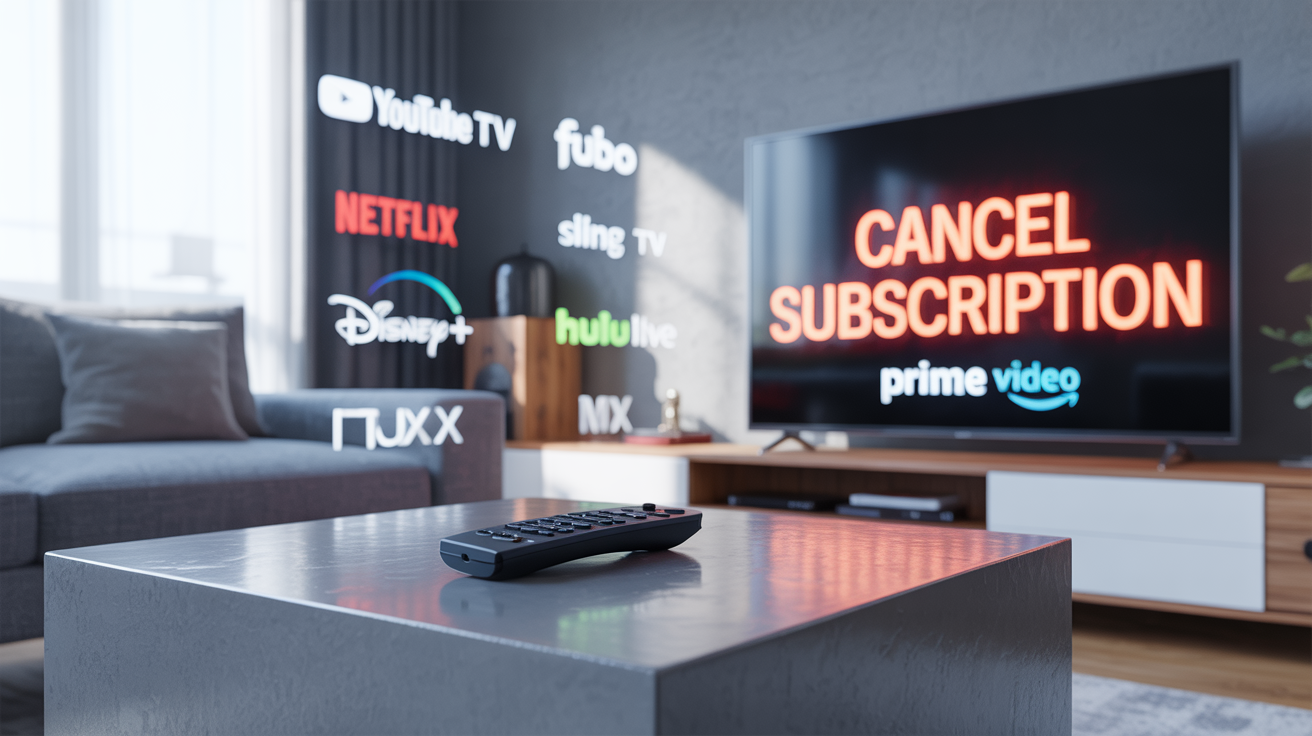
In the rapidly evolving world of digital entertainment, a new phase of cord-cutting is accelerating. It is one that no longer includes live TV. The trend of cord cutters ditching live TV streaming services is leading this change.
While services like YouTube TV, Fubo, Sling TV, and Hulu + Live were once seen as the modern replacements for traditional cable subscriptions, they’re now losing favor among the very consumers who initially embraced them. A recent survey of over 1,400 self-identified cord-cutters reveals a stark trend. Fewer than half—just 48.3%—now pay for a live TV streaming service. That’s down from 53.8% this spring and 51.8% during the same period last year.
The decline may mark a pivotal shift in how Americans consume television content. As more individuals choose cord cutting, live TV streaming services face industry changes. This is due to the shift of cord cutters ditching live TV streaming services.
“More and more people are asking, ‘Why am I paying for live TV when the shows I care about are on Netflix or Prime Video?’” said a survey analyst involved in the study. “And if you’re not a die-hard sports fan, the appeal of live TV continues to shrink.”
Many users who begin their cord-cutting journey by subscribing to a service like YouTube TV eventually realize they spend the bulk of their screen time in on-demand apps. They end up streaming the latest binge-worthy series from Netflix, Disney+, or Amazon Prime. For these viewers, live TV becomes a costly and redundant add-on. This contributes to an increase in cord cutters ditching streaming services for live TV.
This behavioral shift is also compounded by the nature of modern programming. While live TV once held the advantage of airing new shows and fresh content, much of the programming today consists of reruns or dated reality content. Meanwhile, prestige TV—Star Wars spinoffs, Star Trek reboots, Emmy contenders, and other cultural phenomena—have become exclusive to streaming platforms.
Sports Could Be the Next Domino
The implications for live streaming platforms could grow even more significant later this summer, when ESPN and Fox plan to launch lower-cost standalone streaming packages. These packages will focus on sports content.
Such offerings may appeal to the subset of viewers still clinging to live TV primarily for sports coverage. But if those consumers defect to ESPN’s new à la carte package, services like Fubo, Hulu Live, and YouTube TV could take a direct hit. This is occurring in the midst of cord cutters ditching services that stream live TV.
“Live TV streaming is entering the same phase that cable did a decade ago: rising costs and shrinking value,” said a media analyst tracking the sector. “The difference now is consumers have far more flexibility and awareness to drop what no longer serves them.”
Some cord-cutters are also opting for hybrid solutions. They use inexpensive digital antennas to access local stations for free and supplement that with select on-demand subscriptions.
Paramount Faces a Reckoning
These shifting habits are reverberating throughout the industry. Paramount Global, which owns CBS, MTV, and Nickelodeon, is currently in the late stages of a high-profile merger with Skydance Media. If federal regulators approve the deal, Skydance CEO David Ellison is expected to take the reins at Paramount as soon as this summer.
Industry insiders anticipate sweeping changes under the new leadership. Paramount may shut down some of its cable networks and reallocate resources toward streaming platforms like Paramount+ and Pluto TV. Executives are reportedly holding off on major decisions to avoid jeopardizing the merger. But change is almost certainly coming, as cord cutters increasingly ditch live TV streaming services for on-demand options.
AI and the Future of Content Creation
While distribution models shift, so too does the method of content creation. A recent federal court ruling has cleared the way for AI models to be trained on copyrighted material under fair use. This raises the prospect that major studios may begin training proprietary AIs on their libraries to assist with scriptwriting, editing, and even post-production visual effects.
“This could be transformative for the economics of Hollywood,” said one entertainment tech advisor. “If studios can significantly reduce the time and cost of editing, they can push out more content, faster—and cheaper.”
As more cord cutters are ditching streaming services that offer live TV, the expectations are growing. It is expected that the use of AI in filmmaking will become standard within the next five years.
Amazon Ends Teen Program, Launches Prime Day Discounts
Meanwhile, Amazon has quietly shuttered its Prime Teen account feature. This was a tool that allowed teenagers to request purchases and stream content under limited parental control. The company gave no public explanation, and while existing accounts can continue, new registrations have been disabled.
In brighter news for consumers, Amazon’s Prime Day has kicked off, with a trove of deals available on basics like paper towels and cleaning supplies. A lesser-known promotion offers 10% off when buying four select Amazon Basics items. This is a reminder that for many shoppers, streaming may be a luxury, but savings remain a necessity. Yet, cord cutters ditching services streaming live TV could look forward to new savings opportunities.
Looking Ahead
The decline of live TV streaming marks a significant inflection point in the cord-cutting journey. As platforms compete for relevance in a crowded, on-demand-driven landscape, legacy media companies and streaming upstarts alike will be forced to adapt—fast. This change is a result of cord cutters ditching live TV streaming services.
From the rise of AI to the reinvention of cable conglomerates, the way we watch TV is changing. And for millions of viewers, there’s no turning back.



Leave a Reply