
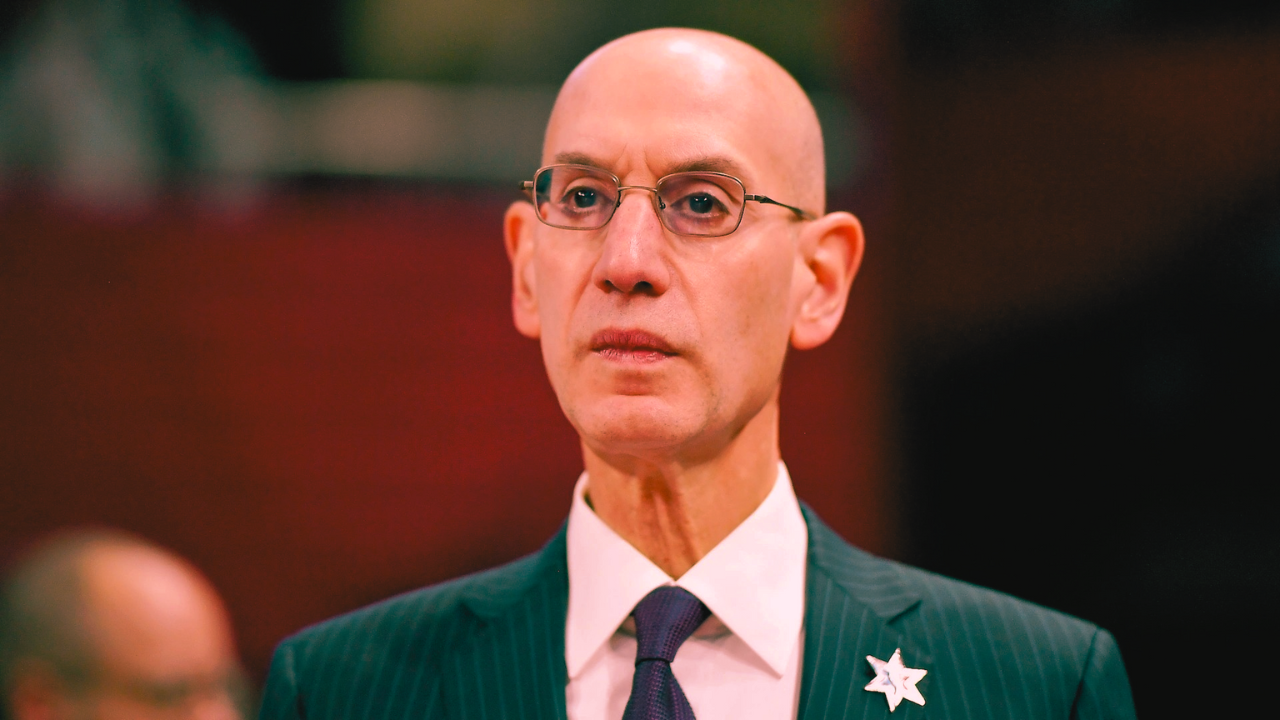
The NBA has long been one of the most-watched sports leagues in the world, drawing millions of viewers to their television screens each season. However, in recent years, NBA television ratings have experienced both dramatic highs and concerning lows. From record-breaking viewership during the Michael Jordan era to modern challenges posed by streaming services and changing viewer habits, the story of NBA TV ratings is one of evolution and adaptation.
This article will explore the historical trends, key influencing factors, digital shifts, and challenges impacting NBA television ratings. Additionally, we’ll look into what the future holds for the league’s media presence and whether it can continue to capture global audiences.
The Rise and Fall of NBA Television Ratings

The NBA experienced its golden era of television ratings during the 1990s, largely due to Michael Jordan’s dominance with the Chicago Bulls. Game 6 of the 1998 NBA Finals remains one of the most-watched games in NBA history, attracting over 35 million viewers.
In the early 2000s, ratings experienced a dip as the league struggled to replace Jordan’s star power. However, the arrival of LeBron James, coupled with other superstars like Kobe Bryant and Kevin Durant, brought renewed interest. The 2010 NBA Finals between the Lakers and Celtics was a testament to this resurgence, drawing an average of 18 million viewers per game.
Yet, recent years have been a mixed bag. While marquee matchups continue to draw large audiences, overall viewership has faced consistent declines, especially during the regular season.
Key Takeaways:
- 1990s: Peak viewership during the Jordan era.
- Early 2000s: Ratings slump post-Jordan.
- 2010s: Resurgence with LeBron and super teams.
- 2020s: Mixed trends with rising streaming audiences.
Factors Influencing NBA Television Ratings
1. Star Power and Player Influence
The presence of superstars like LeBron James, Steph Curry, and Giannis Antetokounmpo heavily impacts TV ratings. High-stakes games featuring these players often outperform others in viewership.
2. Scheduling and Time Zones
The NBA’s coast-to-coast fanbase creates time zone challenges. West Coast games starting late in the evening often limit viewership in Eastern markets.
3. Streaming Services and Cord-Cutting
The rise of streaming platforms has significantly disrupted traditional cable TV viewership. Many fans now prefer platforms like ESPN+, YouTube TV, or NBA League Pass.
4. Competition with Other Sports and Events
The NBA often competes with the NFL, MLB playoffs, and other major sports events, which can draw attention away from key matchups.
Example Stat: In 2022, NBA games airing opposite NFL primetime broadcasts saw a 30% dip in viewership.
The Digital Shift: NBA’s Streaming and Online Platforms

The NBA has been proactive in adapting to the digital age. Services like NBA League Pass have become essential for fans looking to stream games on-demand.
Additionally, social media platforms like Twitter, Instagram, and TikTok have revolutionized fan engagement, allowing the league to share game highlights instantly.
Key partnerships with platforms like Amazon Prime and YouTube TV are also playing an increasingly important role in reaching younger audiences.
Key Takeaway: The future of NBA viewership will rely heavily on digital platforms and streaming partnerships.
The Digital Shift: NBA’s Streaming and Online Platforms
Key Challenges Facing NBA TV Ratings
1. Audience Fragmentation
With so many platforms available, audiences are now fragmented across cable, streaming, and social media.
2. Decline in Cable Subscriptions
The NBA has been proactive in adapting to the digital age. Services like NBA League Pass have become essential for fans looking to stream games on-demand.
Additionally, social media platforms like Twitter, Instagram, and TikTok have revolutionized fan engagement, allowing the league to share game highlights instantly.
Key partnerships with platforms like Amazon Prime and YouTube TV are also playing an increasingly important role in reaching younger audiences. Cord-cutting continues to rise, reducing the pool of traditional TV viewers.
3. Fatigue from Extended Seasons
An 82-game regular season can lead to viewer fatigue, especially when playoff spots are already determined.
4. Lackluster Matchups in Key Time Slots
Prime-time games that lack superstar matchups often fail to draw significant viewership.
Future Predictions for NBA Viewership
The NBA is set to negotiate its next round of media rights deals, and streaming services are expected to play a prominent role. Amazon Prime, Apple TV, and YouTube are all potential contenders for broadcasting rights.
Additionally, the league is exploring ways to make regular-season games more competitive and engaging, such as the newly introduced in-season tournament.
Predicted Trends:
- Increased reliance on streaming platforms.
- Innovative scheduling to maximize prime-time matchups.
- Expanded international broadcasting partnerships.
Future Predictions for NBA Viewership
The NBA is set to negotiate its next round of media rights deals, and streaming services are expected to play a prominent role. Amazon Prime, Apple TV, and YouTube are all potential contenders for broadcasting rights.
Additionally, the league is exploring ways to make regular-season games more competitive and engaging, such as the newly introduced in-season tournament.
Predicted Trends:
- Increased reliance on streaming platforms.
- Innovative scheduling to maximize prime-time matchups.
- Expanded international broadcasting partnerships.
Conclusion
NBA television ratings have experienced waves of success and decline, shaped by star players, shifting viewer habits, and technological advancements. As the league navigates the digital era, the focus will be on maximizing both traditional TV and streaming platforms.
With upcoming media rights negotiations and new strategies to engage fans, the future looks promising for the NBA’s viewership landscape.
Call to Action: Stay updated with the latest NBA media trends by subscribing to our newsletter or following our updates on social media.


Leave a Reply