
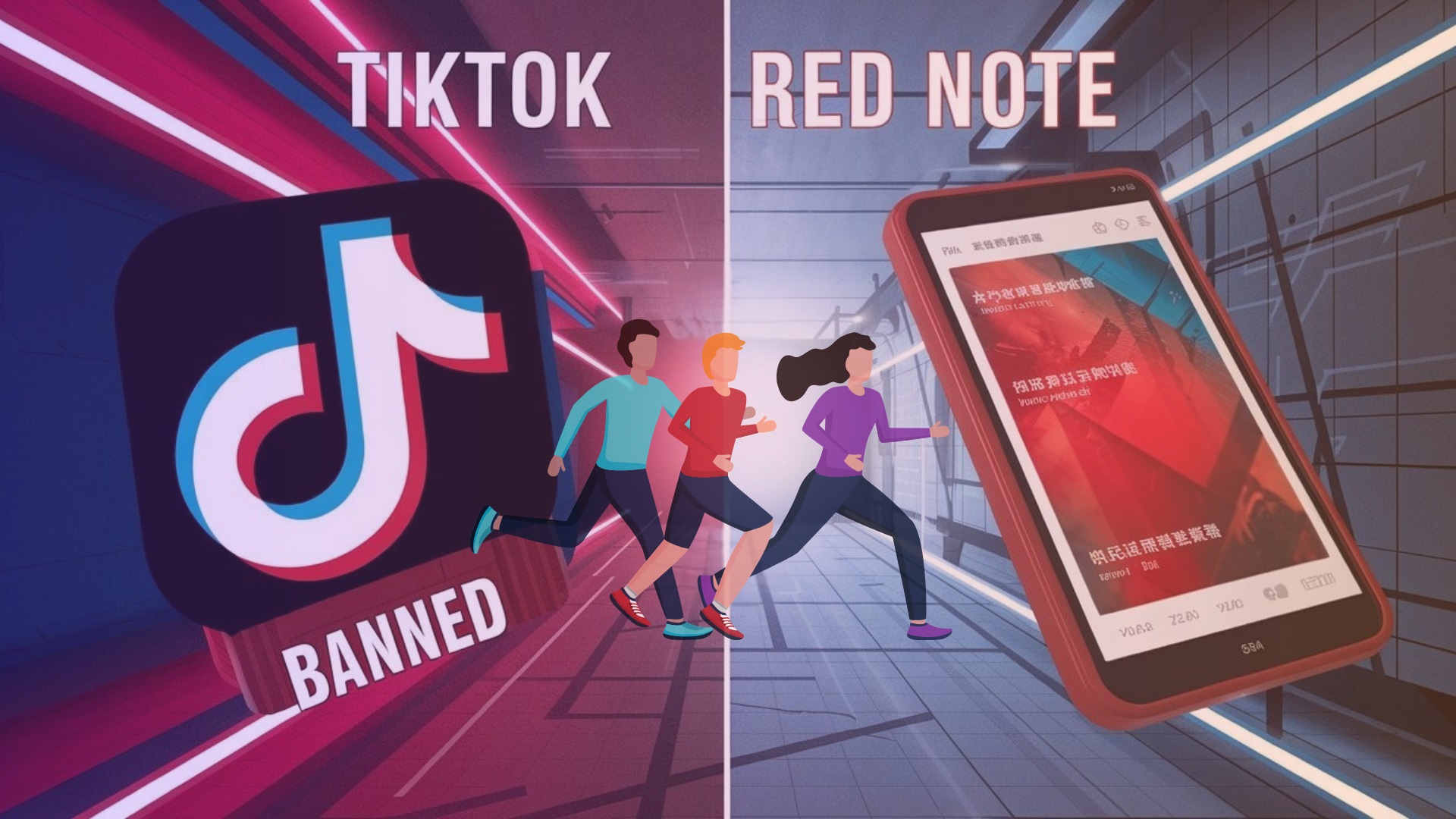
In the wake of discussions around TikTok’s potential ban in the U.S., a new app is gaining traction among American users: Red Note. But what’s driving this frenzy? And is it really the TikTok alternative people think it is?
The TikTok debate has sent American users scrambling for alternatives. While many remain loyal to TikTok, others have started migrating to Red Note. It is a Chinese social media platform gaining popularity despite its primary interface being in Mandarin. And let’s be real: this isn’t just a few people jumping ship. It’s a noticeable trend—especially among people who weren’t necessarily making money on TikTok in the first place.
Americans, particularly within certain communities, seem to be rushing to this unfamiliar app. They’re not just downloading it because it’s in Mandarin. They’re downloading it because of the growing sense of urgency surrounding the potential TikTok ban. Some believe it’s a quick fix—a way to keep the party going while dodging the ban hammer. But here’s where things get interesting: many users have no idea what’s going on in the app. They’re downloading a platform fundamentally not designed for English speakers.
In an era where apps like TikTok have created a hyper-addictive loop, Red Note is no exception. Some use third-party translation tools to decipher the content on the platform. This showcases how far people will go to feed their content addiction. This isn’t just about using an app in another language—it’s a full-on leap into the unknown. And the reason for this? Simple. It’s about keeping up with the digital game, where content creators and casual users alike are vying for attention, views, and potential income.
If you think this sounds like a desperate move, you’re not wrong. The move to Red Note reflects an extreme addiction to content consumption. There’s a strange sense of panic among users who feel that without TikTok, their digital lives would be incomplete. The rise of Red Note, in this context, almost mirrors a drug addiction, where users are scrambling to get their fix, no matter the cost.
Here’s where things get even more complicated. The average TikTok user makes very little money—if any. According to recent data, most TikTokers earn far below a livable wage. Roughly 48% of influencers earn less than $15,000 a year. That’s a far cry from the glamorous image that TikTok influencers often project. Even those who manage to make some money—roughly 9% earning between $15,000 and $25,000—aren’t exactly living large off of their content creation. In fact, the number of top earners on TikTok is staggeringly low, with just 7% of influencers pulling in over $200,000 annually.
This raises the question: If you’re not making money on TikTok, what’s the point of making the leap to a new platform, especially one that’s culturally unfamiliar and potentially not set up for the English-speaking crowd?
The reality is that while Red Note may seem like a potential haven for displaced TikTok creators, it may not offer the rewards that many are hoping for. If you weren’t making money on TikTok before, what makes you think you’ll suddenly find success on a platform that’s in a completely different language? Content creators who move to Red Note may soon find that it’s not the easy fix they hoped for.
Larger influencers and content creators are staying quiet on Red Note for a reason. The platform’s appeal seems to be more about avoiding the TikTok ban than it is about a legitimate replacement for the short-video giant. In fact, many of the big names in digital content creation have yet to weigh in on Red Note’s potential. Why? Because it’s not ready to offer the same level of engagement and monetization that TikTok provides, at least not yet.
It’s important to remember that Red Note isn’t the only player in the game. Platforms like Fanbase, Lemon8, and even older apps like Meet Me and Bigo continue to offer alternatives to TikTok. Whether or not Red Note can carve out a niche for itself in the U.S. remains to be seen. But one thing is for sure: the obsession with finding a new TikTok will likely continue, even as users grapple with the reality that most of them won’t make any money on these platforms.
For those who were making money on TikTok, it’s clear that the stakes are higher. But for the average user who wasn’t getting paid, the rush to download Red Note might be more about filling a void than securing a new revenue stream.
In the end, the digital landscape is constantly shifting. Whether TikTok gets banned or not, users will always find new ways to engage with content. But as of now, Red Note is a strange and perhaps misguided attempt at replicating the TikTok experience. As Americans race to join the new platform, they may soon realize that it’s not the golden ticket they expected. Time will tell whether Red Note can live up to its promises or if it will fade into digital obscurity.
Ultimately, the growing trend toward Red Note points to something bigger: the powerful addiction to social media that’s only growing stronger. But will this new app really change the game? For most, it seems unlikely. The rush to embrace Red Note is less about finding a meaningful platform and more about the fear of losing access to a crucial form of digital connection. The TikTok ban may have spurred this reaction, but it also highlights a deeper issue with our collective relationship to digital spaces—and the often misguided hope that jumping to a new app will solve it all.



Leave a Reply